
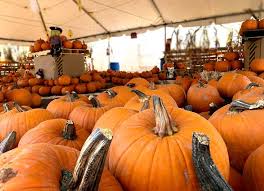
1. Check for Firmness
Start by giving the pumpkin a gentle squeeze. A good pumpkin should feel firm and solid all the way around. If you find any soft spots or mushy areas, skip it,those are early signs of rot.
2. Look at the Stem
A strong, dry stem is a sign of a healthy pumpkin. Green or solid brown stems mean it was recently harvested. Avoid pumpkins with slimy, broken, or missing stems. These tend to spoil faster. And skip the temptation to carry a pumpkin by its stem and it’s not as sturdy as it looks, and a snapped stem shortens the pumpkin’s life.
3. Pick the Right Shape
If you’re carving, go for a pumpkin with a flat base and smooth, even sides. This makes it easier to carve designs and keeps it from tipping over once it’s lit. Decorative pumpkins can be quirky and unique, go wild with color and shape.
4. Check for Blemishes
Avoid pumpkins with cuts, bruises, or cracks. Even small wounds can invite mold and cause early rotting. A few small surface scratches are fine, but anything deeper can be a problem.
5. Think About Purpose
- For carving: choose medium-to-large pumpkins with thin walls.
- For baking: pick small, dense pie pumpkins they’re sweeter and less watery than carving varieties.
- For decorating: prioritize shape, color, and style over size.
6. Know How Long It’ll Last
An uncarved pumpkin kept somewhere cool and dry out of direct Arizona sun, can last 8 to 12 weeks. Once it’s carved, plan on 3 to 5 days before it starts to soften, a little longer if you keep it refrigerated overnight.
Final Tip: Pick Local
Buying pumpkins from a local pumpkin patch supports your community and usually means a fresher pumpkin that’s spent less time in transit and storage. At Arizona Pumpkin Patch, admission is always free, pets are welcome on a leash, and pumpkins go straight from the field to the patch. Find your nearest location [here].